Travers Stakes 2026: How to Handicap the Midsummer Derby at Saratoga
The Travers is the crown jewel of the Saratoga meet — a Grade 1 at a mile and a quarter that reshapes the three-year-old division every August. Here's how to handicap racing's 'Midsummer Derby' and where the value hides.
Drew
Lead Handicapper · Aces & Races
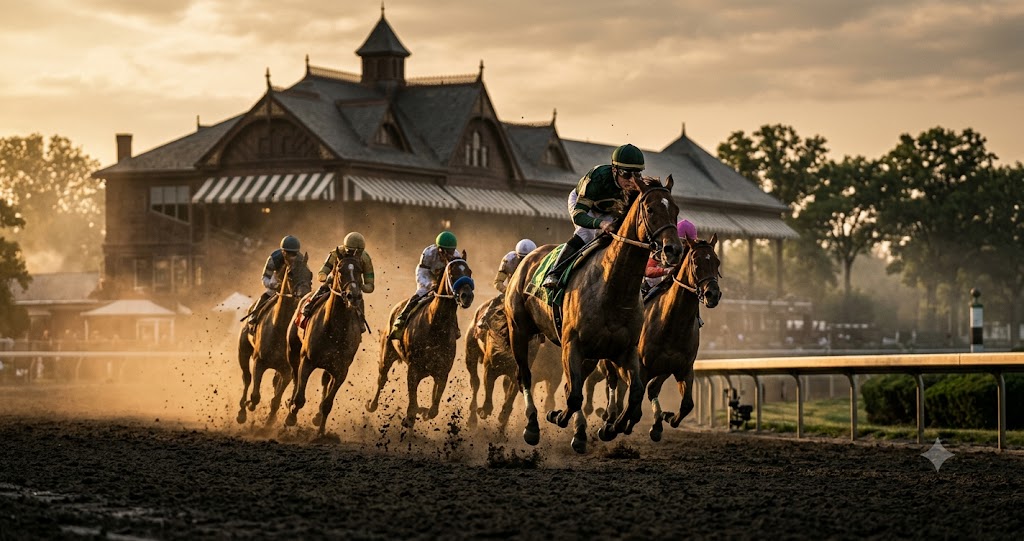
The Midsummer Derby
The Travers Stakes is the biggest race of the Saratoga meet and one of the oldest major stakes in America, first run in 1864. Contested at a mile and a quarter for three-year-olds on the last major Saturday of August, it carries a nickname that tells you exactly why bettors circle it: the "Midsummer Derby." It's a Grade 1 that regularly reshapes the three-year-old division, and it runs at the track they call the Graveyard of Champions for a reason.
If you've only watched the Triple Crown, the Travers is where the sophomore division reconvenes after the spring — Kentucky Derby and Belmont horses, Haskell winners, and late-developing types who've grown up over the summer, all pointed at the same ten-furlong test.
The Distance Is the Whole Story
A mile and a quarter is the same trip as the Kentucky Derby, and for most of the field it's the first time back at the classic distance since May. That matters. Plenty of horses who look sharp winning at a mile or a mile and a sixteenth through the summer simply don't stay ten furlongs against this class. Stamina and class — not just recent speed figures — are what win the Travers.
Before you bet it, work through the field the way a router should be judged: proven distance form, a pedigree that wants the trip, and a running style that can finish rather than merely lead. Our guide to class handicapping is the right lens here — the Travers rewards genuine top-level ability over flashy sprint form.
Why It's So Hard to Handicap
Saratoga's dirt plays deep and tiring, and the Travers is run over that surface in the heat of late August. Cheap, one-dimensional speed doesn't hold up. Combine that with a deep, well-meant field and you get exactly the conditions that produce upsets — which is why the "Graveyard" nickname is earned in this race as often as any.
The pace is usually honest because there's talent and tactical speed signed on. When the early fractions get real, stalkers and closers get their shot, and a front-running favorite who "just needs the lead" becomes vulnerable. Map the race before you bet it — our pace analysis primer explains how to find the horse the pace sets up for.
Reading the Prep Paths
Travers runners arrive from a handful of recognizable trails, and where a horse comes from tells you something:
- The Jim Dandy (Grade 2, at Saratoga a few weeks earlier) — the classic local prep. A horse that already handled this exact surface and shipping situation has a real edge over one seeing the Spa for the first time.
- The Haskell at Monmouth Park — a Grade 1 in its own right; strong Haskell form travels, but watch for a hard race and a quick turnaround.
- The Belmont-and-forward path — horses stepping up off classic-distance experience, which is exactly what this race asks for.
Weigh how hard each prep was, how much the horse had to do to win, and whether the trip actually sets it up to move forward at ten furlongs.
Angles That Work in the Travers
1. Demand stamina and class
Toss the speed horse who's never convincingly gone this far. The Travers is won by horses who stay and finish, not by front-runners who fade in the lane.
2. Respect the closers
The tiring surface and honest pace keep late-runners live. A deep closer you'd throw out at a bullring is exactly the type that gets up at Saratoga.
3. Be willing to beat the favorite
When the chalk faces a pace disadvantage or a class question in a deep field, the value is in beating it — with the second choice, a live closer, or a spread ticket underneath.
4. Value proven Saratoga form
Meet specialists and horses that already ran well over this surface are underrated by a public that overweights the shipper with the big last-out figure.
How to Wager It
In a deep, upset-prone Grade 1, the exotics are where the value lives. If you can find a vulnerable favorite, use it as one of several — not the single — in your exactas and trifectas, and spread to the closers and the local-prep horses underneath. Convert the morning line to implied probability first, and bet the horses whose real chance beats their price.
How We Play the Travers
Every Saratoga card, our model rates each horse by projected win probability, maps the pace, and flags the overlays. The Travers is the deepest, most bettable puzzle of the summer — see our Saratoga picks and handicapping hub and our full Saratoga meet betting guide, or get the complete card — win probabilities, pace maps, and exotic ticket builds — on The Edge. For the rest of the summer schedule, see our 2026 summer stakes calendar.
Want picks like this every day?
Ranked picks with win probabilities, bomb & value alerts, exotic ticket builds, and Pick 3/4/5 sequences — delivered before first post every morning.
Join the Edge — $14.99/mo →