Speed Figures vs. Class: Which Matters More in Horse Racing?
Every sharp handicapper eventually faces this question: trust the numbers or trust the level? The answer depends on the race — and here's the framework we use to decide.
Drew
Lead Handicapper · Aces & Races
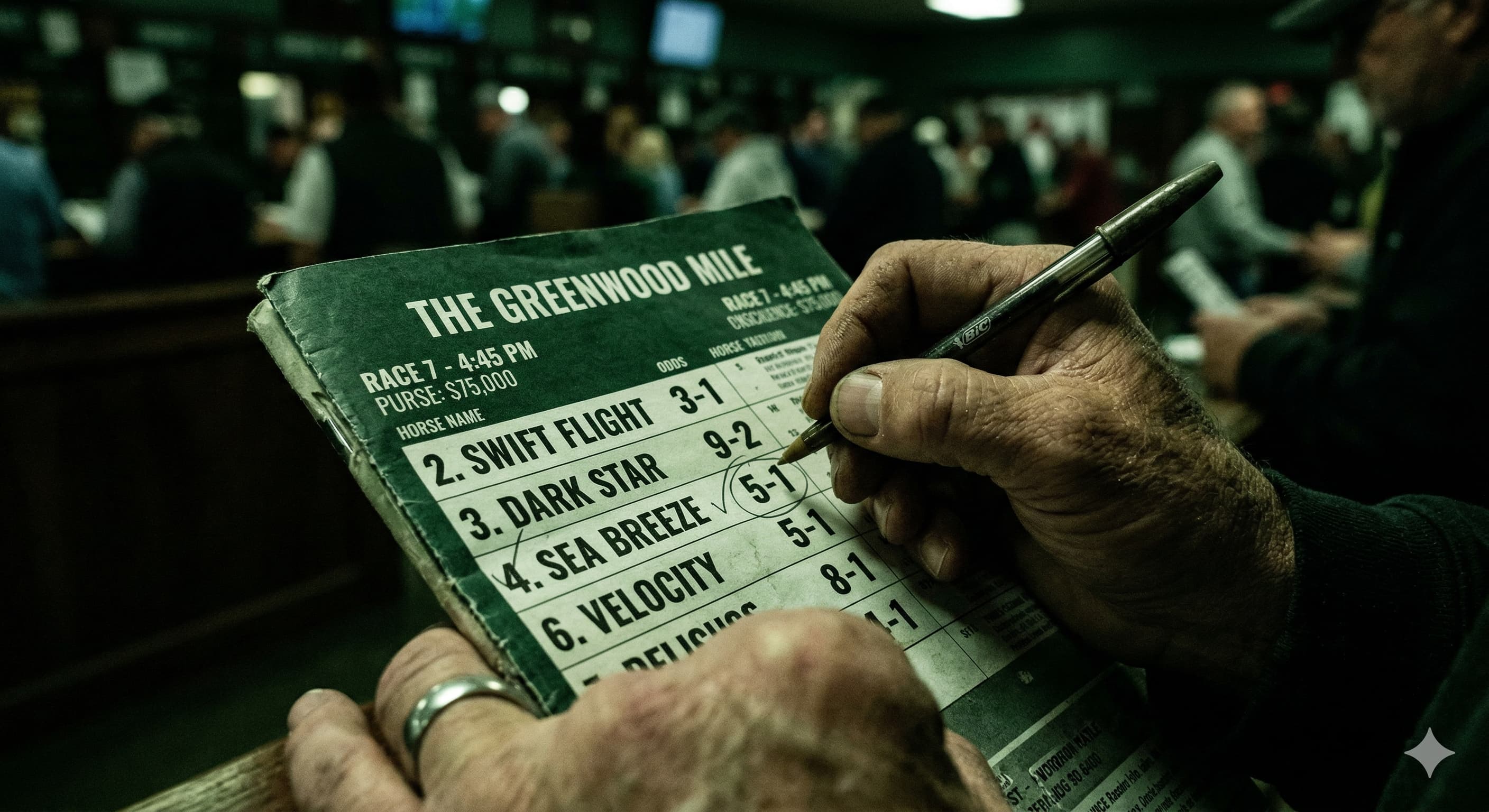
The Debate Every Handicapper Has
Speed figures and class are the two most cited inputs in horse racing handicapping — and they regularly contradict each other. A horse might carry a dominant Beyer speed figure into a race but be stepping up sharply in class. Another might be dropping dramatically in class but show only modest figures. Which one do you trust?
The honest answer: it depends on what's driving each signal. This guide lays out the framework we use to weigh them against each other on every card.
What Speed Figures Actually Measure
A speed figure — whether it's a Beyer, a Thorograph, or a proprietary model number — measures how fast a horse ran, adjusted for the track variant (how fast or slow the surface was running that day). A Beyer of 95 means the same thing at Saratoga as it does at Parx: the horse ran a race equivalent to a 95-Beyer effort on a fast, neutral surface.
What speed figures don't measure: how the horse got that number. A 92 Beyer earned against a slow pace on a speed-favoring track is not the same as a 92 earned while rallying against a hot pace on a closer-friendly surface. Context matters — and figures strip that context out.
What Class Actually Measures
Class is the level of competition a horse is capable of competing against. It's about the quality of the opposition, not the raw time of a performance. A horse that wins consistently at the $25,000 claiming level is demonstrating class at that level. When it moves to $40,000 claimers, the class question is whether it can replicate that level of effort against better horses.
Class is derived from: the level the horse has been competing at, how it performs within that level (wins vs. also-rans), the caliber of horses it has beaten or been beaten by, and earnings history.
When Speed Figures Win the Argument
There are specific situations where figures are the most reliable indicator, and class signals should take a back seat:
Maiden Special Weight Races
Maidens, by definition, haven't established a class record — they've never won. In maiden races, especially for first-time starters or lightly raced horses, speed figures (when available) and workout times are often the only objective data you have. The horse that showed the fastest figure in its only prior start is the class of the field, because "class" hasn't been established yet.
Surface or Distance Changes
When a horse is making its first start on turf or its first try going two turns, past class comparisons break down. The horse's class at 6 furlongs on dirt tells you almost nothing about its class potential going a mile on grass. In these spots, pace projections and pedigree often matter more than class level.
Big Class Drops
A horse dropping sharply in class — say, from $50,000 claimers to $16,000 claimers — almost always brings a figure advantage. Here, both signals are telling the same story: this horse is significantly better than the field on paper. The question shifts to why is it dropping, and whether the trainer is hiding an issue or simply placing the horse to win.
When Class Wins the Argument
Class tends to be the more reliable signal in three situations:
Class Stepdowns That Don't Show It in the Figures
Some horses run big figures in high-class races but never quite close the gap on the better horses. When they drop in class, their figures don't predict how dominant they'll be — because their figures already reflect strong competition. A horse that ran a 91 Beyer while finishing 4th in a Grade III might steamroll a field of $40,000 claimers. The figure looks comparable; the class edge is massive.
Graded Stakes at Major Circuits
At the Grade I, II, and III level — particularly at high-handle circuits like Saratoga, Churchill, and Keeneland — the betting market is efficient at pricing speed figures. The edge in these races comes from class context: identifying horses whose figure trajectories suggest they're capable of more than their recent numbers show. A horse with a proven 98 Beyer ceiling that ran an 89 in its last start is a different animal than a horse whose best is 92.
Older Horses in Claiming Races
At the claiming level, particularly with older horses (5+), class level is often more predictive than current figures. Claiming horses bounce — they run big one race, flat the next. A consistent $30,000 claimer that runs 85-88 Beyers every race is more reliable than a horse that ran an 88 once and has been mediocre since. The class record shows consistency; the single big figure might be an outlier.
The Synthesis: Both Factors, Right Context
In practice, the best handicapping uses both. Our process:
- Build the pace map first — establish which horses are getting a trip and which aren't
- Compare figures in context — strip out pace-aided figures and figure out the "true" number
- Evaluate class trajectory — is this horse moving up, dropping, or lateral?
- Look for the divergence — where do figures and class tell different stories?
The best plays come when both figures AND class point to the same horse. The second-best plays come when one factor is being underweighted by the market — usually class, because most public bettors focus on the headline Beyer number.
Want to see how we weigh these factors on a live card? The Edge includes full reasoning on every pick — including when we're leaning on figures vs. class and why.
Want picks like this every day?
Ranked picks with win probabilities, bomb & value alerts, exotic ticket builds, and Pick 3/4/5 sequences — delivered before first post every morning.
Join the Edge — $14.99/mo →